
What Makes Composite Different
Unlike ceramic sinks with their hard protective glaze, bio-fiber composites are made from natural fibres bound together with synthetic resin. This construction makes them tough and eco-friendly, but also means they interact with stains differently.
When pigments or oils land on a composite surface, they don't just sit on top waiting to be wiped away. They can seep into microscopic surface texture or bond with the resin itself. This isn't a flaw, it's simply the nature of the material. Once you know what you're working with, prevention becomes straightforward.
Foods and Drinks That Commonly Stain Composite Sinks
High-Pigment Foods & Spices
-
Turmeric & Curry: Curcumin, the compound responsible for turmeric's intense golden colour, is essentially a natural dye, it's actually used to colour textiles and foods commercially. On composite surfaces, it bonds quickly to the resin, leaving bright yellow marks that deepen the longer they sit. Curry dishes are particularly risky because they combine curcumin with oils, which help the pigment penetrate more deeply.
-
Tomato-Based Products: Pasta sauces, tomato paste, and ketchup all contain lycopene, a red pigment that gives tomatoes their colour. Lycopene has a natural affinity for resin surfaces, and the acidity in tomato products can slightly open up the surface texture, allowing the pigment to settle in. A splash of bolognese left overnight can leave a faint pinkish shadow that's surprisingly stubborn.
-
Beets & Berries: Beets contain betanin, a pigment so powerful it's used as a natural food colouring (you'll see it listed as E162 on ingredient labels). Berries, especially blackberries, blueberries, and raspberries, are rich in chromogens, colour compounds that transfer easily to light surfaces. Both stain almost on contact, and the juice spreads quickly, so a small spill can affect a larger area than you'd expect.
-
Mustard & Food Coloring: Mustard gets its yellow colour from turmeric, so it carries the same staining risk. Artificial food colourings, found in everything from icing to sports drinks, are engineered to be vivid and lasting, which unfortunately means they're just as persistent on your sink as they are on whatever you're trying to colour.
Tannin-Rich Drinks
-
Coffee & Tea: Tannins are plant compounds that bind readily to surfaces, and both coffee and tea contain them in abundance. The staining is cumulative, a single coffee rinse won't cause visible damage, but daily exposure without proper rinsing creates a gradual discolouration. Over weeks and months, this builds into a dull brownish haze that can be difficult to reverse. Black tea typically contains more tannins than coffee, making it slightly worse for your sink.
-
Red Wine: Wine combines tannins with anthocyanins, the pigments responsible for its deep colour. This double threat makes red wine one of the most challenging stains to remove from any surface. On composite, the alcohol in wine can also slightly affect the resin, allowing pigments to penetrate more quickly. A spill left to dry overnight often requires significant effort to fully remove.
Oils and Greasy Foods
This is where composites differ most from ceramic: the resin has a natural affinity for oils and can absorb them.
-
Cooking Grease: Hot fats from frying or roasting can splash onto your sink and leave a stubborn residue. Because the grease is warm, it penetrates the surface more easily than cold oils would. Over time, accumulated grease creates a slightly tacky film that attracts dust and other particles, making the sink look dull even when it's technically clean.
-
Oily Sauces (e.g., Pesto, Curries): Pesto, curry sauces, salad dressings, and olive oil-based preparations pose a double risk. The oil itself can penetrate the resin surface, but more problematically, it acts as a carrier for pigments. When you rinse away a curry sauce, the oil can drag turmeric deep into the material, creating stains that are far more stubborn than surface discolouration.
Acidic Substances
While citrus juice and vinegar are often recommended as natural cleaners, they require careful handling on composite surfaces.
-
Lemon & Lime Juice: Citric acid is effective at cutting through mineral deposits and some stains, but concentrated exposure over several hours can etch or discolour the resin. A squeeze of lemon rinsed away immediately is fine; half a lemon left sitting in the sink while you're at work is not. The damage appears as a dull, slightly rough patch that's more visible on darker composite colours.
-
Vinegar: Diluted vinegar is generally safe for cleaning composite sinks and can help remove light mineral buildup. However, it must always be rinsed away thoroughly afterward. Leaving vinegar solution to air-dry on the surface can cause gradual degradation, particularly with repeated exposure. Think of vinegar as a tool to use and rinse, not a treatment to leave on.
What to Avoid with Bio-Fiber Composite Sinks
-
Harsh Chemicals
Never use bleach, ammonia, drain cleaners, solvents, or nail polish remover on a composite sink. These substances can chemically react with the resin, causing permanent discolouration, whitening, or surface breakdown. Unlike a stain that might fade over time or respond to treatment, chemical damage cannot be reversed. Even brief contact with these products can leave lasting marks, so keep them well away from your sink entirely. -
Abrasives
Rough scouring pads, steel wool, and abrasive cleaning powders will scratch the composite surface. These scratches might not be immediately visible, but they create dull spots and tiny crevices where pigments and oils can settle. Once the surface texture is damaged, future stains become harder to remove because they have more places to hide. Always use soft sponges, microfibre cloths, or non-scratch cleaning pads. -
Extreme Heat
Composite resin can be damaged by sudden temperature extremes. Placing a sizzling pan straight from the hob onto your sink may cause thermal shock, warping, discolouration, or even cracking in severe cases. The damage typically appears as a lighter patch or a slightly raised area where the resin has responded to the heat. Always use a trivet, hot pad, or protective mat when setting down hot cookware.
Smart Cleaning & Maintenance Tips
-
Rinse Immediately : the single most effective habit you can develop. A quick splash of water after contact with coffee, wine, curry, or any pigmented food prevents the vast majority of stains before they have a chance to set. It takes three seconds and saves hours of scrubbing later.
-
Mild Soap & Water : for everyday cleaning, this is all you need. A few drops of washing-up liquid on a soft sponge, a gentle wipe across the surface, a thorough rinse, and a dry with a clean cloth. Simple, safe, and effective for daily maintenance.
-
Approved Composite Cleaners : for deeper cleaning or when soap alone isn't enough, look for products specifically formulated for composite sinks. These cleaners are designed to lift stains and residue without damaging the resin. Check the label to confirm compatibility, and always follow the manufacturer's instructions.
-
Oil-Free Degreasers : when greasy residue builds up, a kitchen degreaser can help, but choose one that's oil-free and safe for composite surfaces. Spray it on, let it work for a minute or two, then wipe away with a soft cloth and rinse thoroughly. Avoid heavy-duty industrial degreasers, which may be too harsh.
A Weekly Routine Worth Keeping


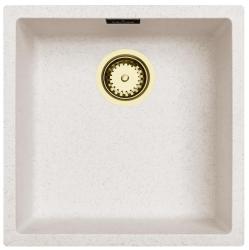

Set aside a few minutes each week for a gentle baking soda scrub across the entire sink surface. Mix baking soda with a little water to form a paste, apply it with a soft sponge, and work it gently across the basin. Let it sit for five to ten minutes, then rinse thoroughly.
This mild abrasive action lifts surface discolouration and prevents gradual buildup without scratching the composite. It's far easier to maintain a clean sink with regular light attention than to tackle months of accumulated staining with aggressive treatment. Consistency beats intensity when it comes to composite care.
Bio-fiber composite sinks offer something special: sustainability and style in one package. They ask for a little more attention than ceramic, but the care they need isn't complicated. Avoid harsh chemicals, stay on top of oils, rinse promptly after contact with pigmented foods, and clean gently but regularly.
Do that, and your composite sink will reward you with years of natural beauty.


