
Both offer timeless appeal and distinctive characteristics. The question isn't which is "better" in some abstract sense. It's which fits your lifestyle, your design vision, and your expectations for durability and daily use. Understanding the unique advantages of each helps you make an informed decision you'll be happy with for years to come.
The Elegance of Granite Composite
Granite sinks bring a sense of permanence and presence to the kitchen. Made from finely ground stone bound with resin, they offer a dense, non-porous surface that resists stains, scratches, and everyday wear. The material feels substantial in a way that lighter alternatives simply don't match.
The visual appeal of granite extends beyond simple durability. These sinks typically feature matte finishes that can either contrast dramatically with sleek cabinetry or blend seamlessly with natural stone countertops. The texture has depth and character, creating visual interest that polished surfaces can't replicate. Colours range from deep blacks and warm browns to soft greys and creams, offering options for virtually any design palette.
One often overlooked advantage of granite is sound absorption. The dense material dampens the noise of running water, clattering dishes, and dropped utensils. This makes the kitchen a noticeably quieter space, which matters more than many people realise until they experience the difference.
For homeowners who value design as much as function, granite sinks serve as focal points that feel solid, grounded, and intentional. They anchor the kitchen visually while delivering the practical durability that daily use demands.


The Timeless Versatility of Stainless Steel
Stainless steel remains a perennial favourite for good reason. Its clean lines, reflective surfaces, and professional aesthetic have made it the default choice in commercial kitchens and a beloved option in homes for generations.
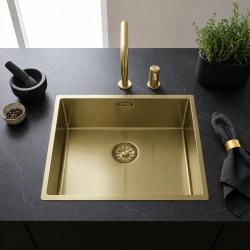
Premium stainless steel sinks, particularly those manufactured to European standards, are made from high-quality alloys, polished for enduring shine, and pressed for a seamless appearance. The difference between a quality stainless steel sink and a budget alternative is immediately apparent in the finish, the gauge of the steel, and the precision of the construction.
Versatility is perhaps the greatest advantage of stainless steel. It complements almost any countertop material: wood, quartz, marble, granite, concrete, or laminate. It fits seamlessly into virtually any design aesthetic, whether minimalist, industrial, classic, or transitional. Where other materials might clash with certain design choices, stainless steel adapts and enhances.
From a practical standpoint, stainless steel is naturally hygienic and antibacterial. Its non-porous surface doesn't harbour bacteria, and cleaning requires nothing more than mild soap and water. The material is also lighter than granite, which can simplify installation, particularly in kitchens with unconventional layouts or mounting requirements.



Sound and Feel: A Hidden Difference
The acoustic properties of your sink affect the kitchen's atmosphere in ways that might not be obvious until you live with your choice.
Granite sinks absorb sound, creating a softer, quieter environment. Water flows with less splash noise, dishes contact the surface with muted sounds, and the overall experience feels more subdued. For kitchens that open onto living spaces, or for those who simply prefer a calmer cooking environment, this sound absorption matters significantly.
Stainless steel, by contrast, can be more resonant. The metallic surface naturally reflects sound, creating the energetic, lively atmosphere associated with professional kitchens. Many high-quality stainless steel sinks now include soundproofing pads or coatings on the underside to reduce this effect, but the inherent character remains different from granite.
Some people find this distinction determines the entire "feel" of their kitchen. Granite offers quiet solidity and calm. Stainless steel provides energy, clarity, and a sense of purposeful activity. Neither is objectively better. They simply create different experiences.
Durability in Daily Life
Both materials are robust, but they demonstrate their durability in different ways.
Granite excels at resisting scratches and stains. The hard, dense surface shrugs off knife marks, abrasive cleaners, and the pigments from colourful foods. Even after years of heavy use, a granite sink typically shows little sign of wear. The matte finish that characterises most granite sinks also means scratches that do occur are less visible than they would be on a polished surface.
Stainless steel resists heat and impact. You can place a hot pan directly in the sink without concern, and the material flexes rather than cracks under stress. However, stainless steel does scratch, and these scratches are visible on the polished surface. Many people come to appreciate the patina that develops over time, viewing it as character rather than damage. Others prefer the perpetually fresh appearance of granite.
Both materials can last for decades with proper care. The question is what kind of durability matters most to you: the scratch resistance and stain immunity of granite, or the heat tolerance and impact resilience of stainless steel.
Maintenance Requirements
Daily care differs between the two materials, though neither is particularly demanding.
Granite sinks benefit from regular wiping to prevent water spots and occasional treatment with a mild cleaner to maintain their appearance. The matte finish hides minor residue better than polished surfaces, but the textured surface can hold onto soap scum if not rinsed thoroughly. Hard water areas may require more frequent attention to prevent mineral buildup.
Stainless steel needs regular wiping to prevent water spots and fingerprints, which show more readily on the reflective surface. The advantage is that cleaning is straightforward: any mild soap works, and the smooth surface releases residue easily. Maintaining the shine requires consistent attention, but the effort is minimal.
For those who want a sink that looks good with minimal daily intervention, granite has a slight advantage. For those who don't mind a quick wipe after each use and appreciate the gleaming result, stainless steel delivers beautifully.
Matching Materials with Design Choices
Your kitchen's overall design direction should guide your sink selection.
Granite sinks suit kitchens that favour earthy hues, organic textures, and subdued finishes. They work beautifully with natural wood cabinetry, stone countertops, and warm metallic accents. A dark granite sink can create a dramatic focal point, while lighter tones blend seamlessly into a cohesive natural palette.
Stainless steel excels in contemporary designs, industrial aesthetics, and classic kitchens where versatility is essential. It pairs naturally with sleek, modern cabinetry and provides a crisp counterpoint to warmer elements. In open-plan spaces, stainless steel's reflective quality can enhance light and create a sense of spaciousness.
Consider your tap finish as well. Brushed gold and brass taps create striking contrast against dark granite, making both elements stand out. Stainless steel offers refined harmony with chrome and brushed nickel, with the shared metallic quality creating visual continuity.
The Weight Factor
Installation considerations differ between the materials.
Granite composite sinks are substantially heavier than stainless steel equivalents. This weight requires appropriate cabinet support and can complicate installation, particularly for undermount configurations. The trade-off is that the weight contributes to granite's solid feel and sound-dampening properties.
Stainless steel's lighter weight makes installation easier and places less stress on cabinet structures. This can be particularly relevant in renovations where existing cabinetry must accommodate the new sink, or in designs with unusual mounting requirements.
Cost Considerations
Both materials span a wide price range depending on quality, size, and configuration.
Premium stainless steel sinks from European manufacturers represent significant investment but deliver quality that budget alternatives cannot match. The gauge of the steel, the precision of the pressing, and the quality of the finish all affect both price and long-term satisfaction.
Granite composite sinks similarly range from affordable to premium. Higher-quality granite sinks use better stone particles, superior binding resins, and more refined manufacturing processes. The result is a sink that performs better, looks better, and lasts longer.
In general, expect to pay comparable amounts for equivalent quality in either material. The choice should be driven by which material suits your needs rather than by price differences.
Making the Choice
The decision between granite and stainless steel ultimately comes down to priorities.
Choose granite if you value visual depth and texture, if sound absorption matters to you, if scratch resistance is a priority, or if your design favours natural, earthy elements.
Choose stainless steel if you value versatility and adaptability, if you prefer a professional aesthetic, if heat resistance matters for your cooking style, or if your design favours clean, reflective surfaces.
Neither choice is wrong. Both materials represent excellent options that will serve you well for years. The right sink is simply the one that aligns with how you want your kitchen to look, feel, and function.
Granite and stainless steel sinks are not competitors. They are two expressions of design excellence, each with distinct advantages that suit different needs and preferences.
Granite offers depth, texture, and understated elegance. The material brings quiet strength to the kitchen, absorbing sound and resisting wear while serving as a visual anchor for the space.
Stainless steel offers versatility, hygienic properties, and a timeless sheen. It adapts to any design direction, performs flawlessly under demanding use, and maintains its appeal through decades of daily life.
Both materials elevate the kitchen beyond mere utility, transforming it into a space of daily inspiration. The ideal sink is more than a fixture. It's a reflection of how you cook, how you live, and how you want your kitchen to feel.


